
How To Fix A Scratched Watch Case: Costs, Methods And DIY Risks
Date: 26/08/2026 | By: Exclusive Lines
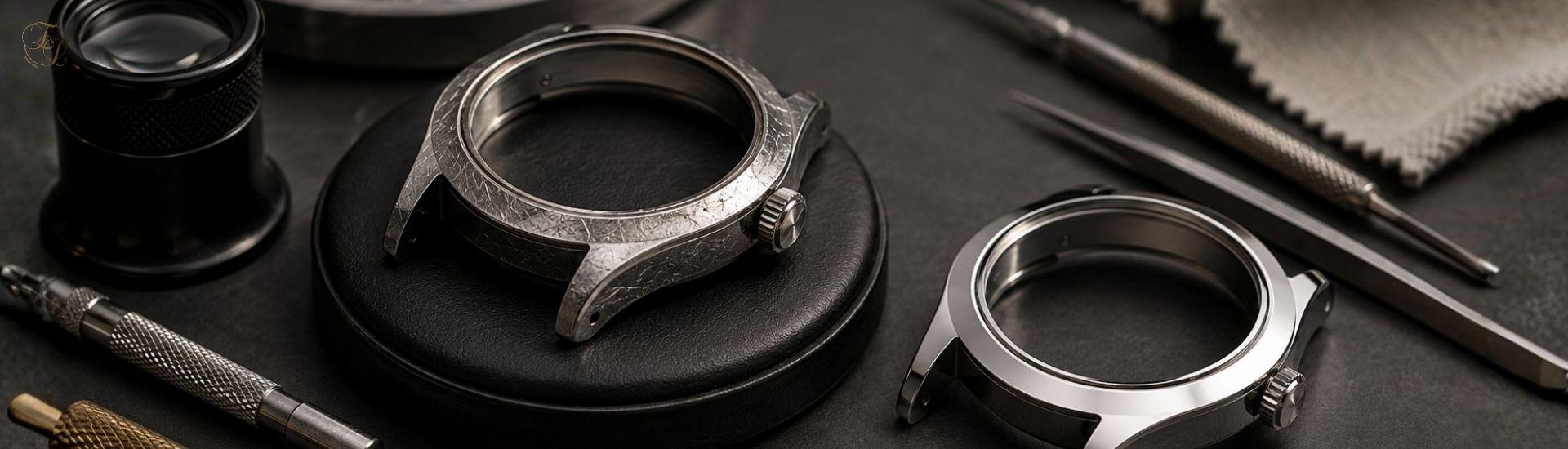
A scratch on a watch case is rarely just a surface concern. The case frames the dial, protects the movement, and carries the first impression of the timepiece on the wrist. When that surface is marked, the watch may still perform perfectly, but its presence can feel slightly changed.
The good news is that many scratches can be improved with the right method and the right hands. Before trying to correct the mark at home, it is always wiser to have the watch inspected by trained specialists. If you are searching for a “watch service centre near me,” a professional assessment can help you understand whether the case needs polishing, refinishing, or a more detailed repair.
Why Do Watch Cases Scratch?
A watch case is built to protect, but it is also the part most exposed to daily life. Stainless steel, titanium, gold, ceramic, and precious-metal cases all respond differently to contact, pressure, and wear.
A desk edge, a bracelet, a door handle, a set of keys, or even regular use over time can leave fine lines on the surface. These marks are common, but the way they should be treated depends on the material, the depth of the scratch, and the original finish of the case.
Some watches have polished surfaces. Others have brushed, satin, or mixed finishes. This is why case restoration is not simply about removing a scratch. It is about preserving the original character of the watch.
Surface Scratches Vs Deep Marks
Surface scratches usually sit on the top layer of the case. These are often light, visible under certain angles, and may be improved through careful polishing or refinishing.
Deep scratches, dents, or gouges are more serious. They cut into the metal and may require advanced refinishing, laser work, or even replacement of the affected case component.
This difference matters because using the wrong method can change the shape, lines, and finishing of the watch. A professional watch service centre can examine the case properly and recommend the safest approach.
What Are The Methods Of Restoration?
Professional Polishing
Professional polishing is usually suitable for light hairline marks. A trained specialist uses the right polishing compounds, tools, and technique to reduce visible scratches while keeping the case design as close to its original form as possible.
This method is often more cost-effective than replacement and can refresh the appearance of the watch. However, polishing must always be controlled. Too much polishing can soften edges, flatten case lines, and reduce the definition that gives a luxury watch its original structure.
Case Replacement
If the case has serious damage, visible dents, corrosion, or structural issues, replacement may be considered. A skilled watchmaker can advise whether a compatible case or case component is available for your model.
Case replacement is usually more expensive than polishing or refinishing. For luxury, discontinued, or vintage watches, the cost may be higher because genuine parts can be difficult to source, and the work requires specialist handling.
DIY Scratch Removal
DIY scratch removal kits are widely available. They often include polishing cloths, abrasive pastes, and scratch removal pens. While they may seem convenient, they are generally suitable only for very minor surface marks.
Luxury watches often have delicate case finishes, protective coatings, water-resistant construction, and sharp design lines. A quick home solution can easily disturb these details. What begins as a small scratch can become a larger repair if handled incorrectly.
What Costs Should You Expect?
The cost of fixing a scratched watch case depends on the watch and the nature of the damage. A light polish will usually cost less than detailed refinishing or case replacement.
The final cost may depend on various factors, which include:
-
The brand and model of the watch
-
The material of the case
-
The depth of the scratch
-
The type of finish on the case
-
Whether polishing, refinishing, or replacement is required
-
Availability of genuine parts
-
The level of expertise needed for the work
For a luxury watch, it is best to avoid guessing the cost without inspection. A proper evaluation helps you understand the condition of the case and the most suitable restoration method.
What Are The Risks Of DIY Repairs?
Irreversible Damage
A watch case has lines, curves, bevels, and finishes that are carefully designed. If too much metal is removed during DIY polishing, the case can lose its original shape.
Edges may become soft, brushed surfaces may turn uneven, and protective coatings may be affected. Once the original finish is damaged, restoring it completely can be difficult.
Warranty Concerns
Many watch brands may not support warranty claims if the watch has been opened, polished, or repaired by an unqualified person. DIY work or unauthorised repair attempts can affect the protection attached to your timepiece.
For a valuable watch, it is always safer to follow the correct service process.
Compromised Water Resistance
The watch case is not only about appearance. It protects the movement inside. During improper handling, seals, gaskets, the crown, or the caseback can be disturbed.
This can affect water resistance and allow moisture to enter the watch. Once moisture reaches the movement, the repair can become more serious and expensive.
Ready To Restore Your Timepiece?
A scratched case does not always mean permanent damage. With the right inspection and careful restoration, the appearance of your watch can often be improved while keeping its original character intact.
If you are looking for a trusted watch service center near me, visit Exclusive Lines After Sales Service for professional watch care, inspection, polishing, repair, and maintenance support.
Let trained specialists assess your timepiece and recommend the right method, so your watch continues to look refined and perform beautifully.